
When Is the Best Time for Foundation Repair in Orlando?
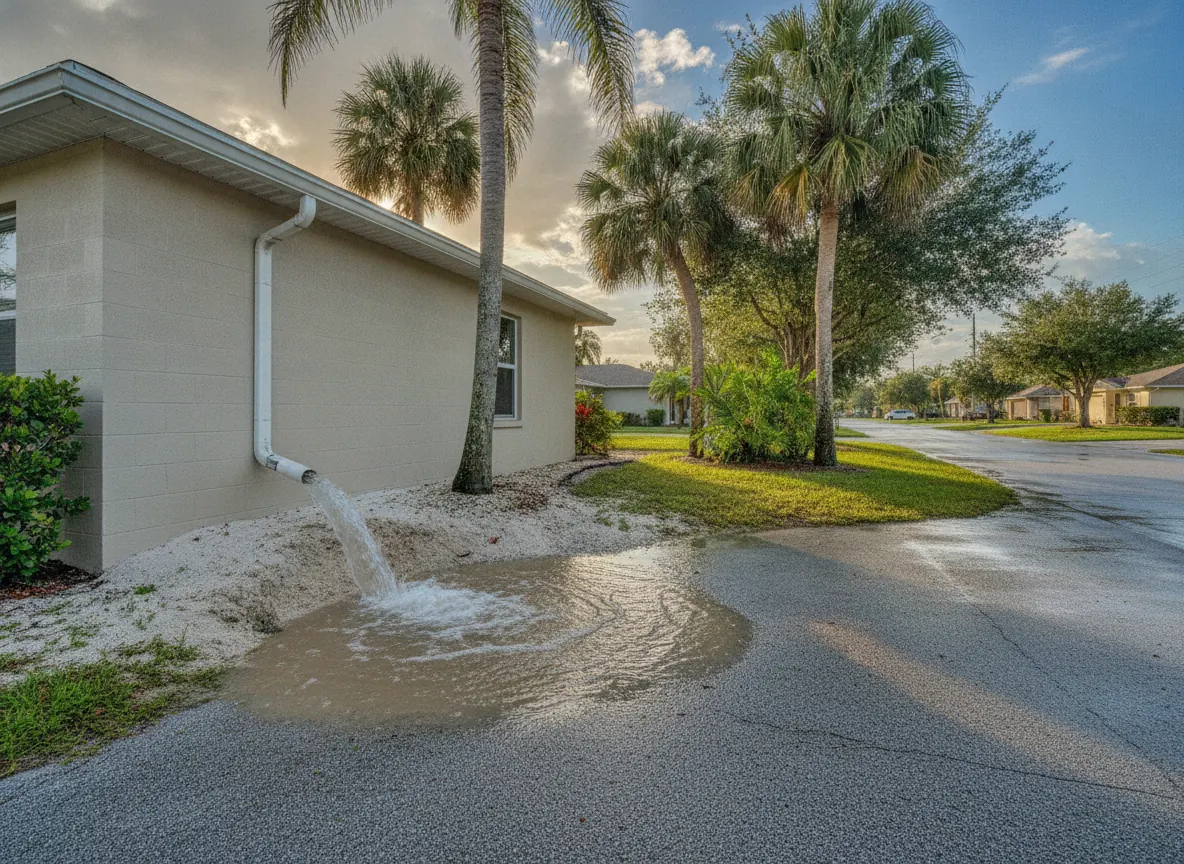
When is the best time for foundation repair in Orlando? If something is moving now, such as a crack that keeps widening or doors that start to stick, the best time is now: get it evaluated whatever the month. If the work can wait, plan the installation for Orlando’s dry months, roughly November through May. Orlando International Airport averages 1.79 inches of rain in November against 8.05 inches in June (NOAA 1991–2020 normals), so outdoor digging, grading and pier work have far fewer rain days to work around. Use the wet summer to watch, document and get evaluations.
Orlando’s two seasons, in numbers
Local forecasters put the rainy season at late May to mid-October. NOAA’s normals for Orlando International show 51.45 inches of rain a year, with 29.57 inches, about 57 percent, falling from June through September.
- June, July and August each average 11.5 days with a tenth of an inch of rain or more. November averages 3.
- Days with an inch or more run 2.5 in June and 0.5 in November. Across the whole year there are about 15.
- November (1.79 in.) and February (2.04 in.) are the driest months on the airport record.
For anyone opening a trench beside a slab or regrading a side yard, that difference is the whole calendar.
Why foundation problems show up in the wet months
Orlando-area soils are mostly sand with negligible shrink-swell, according to USDA soil survey data, so local settlement is rarely about clay swelling. The usual drivers are washout at slab edges, poorly compacted fill, compressing organic muck and, less often, soil raveling into limestone. Heavy rain is when water finds the weak spot. A downspout that dumps beside the slab, or a low side yard that ponds after a storm, can carry sand away from under the edge of a slab. The drainage and grading page covers the fixes contractors quote for that.
Big storms show the pattern. Hurricane Ian dropped 13.2 inches at Orlando International on September 28–29, 2022 (National Hurricane Center). Between then and the end of November, the Florida Geological Survey (FGS) logged 8 reported subsidence incidents in Orange, Seminole, Osceola and Lake counties, two of them annotated as developing after Ian. After Hurricane Milton in October 2024, which brought 14.83 inches to a cooperative weather site near Orlando, there were 9 more, five of them in Lake County, including two vehicles on the Florida Turnpike near Clermont (see our Clermont page). These are voluntary reports, and most are never field-checked, so they show timing, not cause.
Dry spells matter for Orlando foundations too
The FGS says “sinkhole activity is greatest when there have been drought conditions for some period of time,” and lists drought, heavy rainfall and heavy groundwater pumping among the triggers. 2026 has had one of the driest starts on record in Central Florida.
When the Wymore Road sinkhole opened in Maitland in May 2026, UCF civil engineering professor Dr. Manoj Chopra told Spectrum News 13 “it can be due to both excessive rainfall or drought conditions like what we’re currently seeing.” Our own count of the 580 dated reports in the four counties has May, the last dry month before June’s jump in rain, with the most reports (95) and February with the fewest (22). That is a raw tally of voluntary reports, not a finding about cause, but it is a good reason not to treat the dry season as a quiet season for your foundation.
What has to happen before foundation work starts
The calendar is not only about weather. A few steps come before anyone digs:
- Diagnosis. Finding the cause and writing a structural report is engineering under Florida chapter 471, so a Florida-licensed professional engineer does that part. The inspection and engineer report page explains the kinds of reports.
- Permits. Orange County says structural repairs to foundations need a permit, construction plans are required in most cases, and plans must be signed and sealed by a Florida PE or registered architect when repairs affect structural stability; a Notice of Commencement is required when work exceeds $5,000. In Seminole, Osceola, Lake and the cities, permit rules vary; the Florida-licensed contractor you hire confirms and pulls any permit. More in our Orange County permit guide.
- HOA review. Regrading or visible pier work may need architectural review approval. Check your declaration.
- Insurance clocks. Florida law bars notice of a sinkhole claim after 2 years (§627.706(5)), and repairs on a covered sinkhole loss must be completed within 12 months of the repair contract, with exceptions (§627.707(5)). Ask your insurer what your policy covers. This is general information, not legal or insurance advice.
A practical foundation repair calendar for Orlando homes
June to September: watch where the water goes. Walk the outside of the house during a heavy afternoon storm. Note downspouts that empty against the slab and spots where water stands. Photograph cracks with the date and a tape measure in the frame so you can compare later.
October and November: get evaluations and quotes. Rain drops off sharply after the season ends, and November is the driest month on the airport record. It is a sensible time to line up an engineer’s visit and compare written quotes.
December to May: install. Piers, grouting, slab lifting and regrading all involve open ground beside or under the house, and these months carry the fewest heavy-rain days. Methods are compared on our sinkhole and subsidence repair page and the slab foundation repair page.
Whatever the month, Orlando FL Foundation Repair connects Orlando-area homeowners with independent Florida-licensed contractors for free, no-obligation foundation repair quotes. The contractor you choose quotes, contracts and does the work. Request free quotes when you are ready to plan yours.
Frequently asked questions
Should I wait for the dry season if a crack is getting wider?
No. Season only matters for planning work that can wait. A crack that keeps widening, doors that start sticking or a floor that feels newly out of level should be evaluated now. Diagnosing the cause is engineering under Florida chapter 471, so a Florida-licensed professional engineer writes that opinion; a contractor’s free evaluation is a sales estimate.
Why do subsidence reports show up after hurricanes?
Heavy rain is one of the triggers the Florida Geological Survey lists. After Hurricane Ian in 2022 the FGS logged 8 reported subsidence incidents in the four counties by the end of November, and after Milton in 2024 it logged 9. These are voluntary reports, mostly never field-checked, so they show timing rather than proven cause.
Does a dry year like 2026 lower the risk?
Not according to the state’s geologists. The Florida Geological Survey says sinkhole activity is greatest when there have been drought conditions for some period of time, and a long dry spell followed by heavy rain is the classic trigger pattern. 2026 has had one of the driest starts on record in Central Florida.